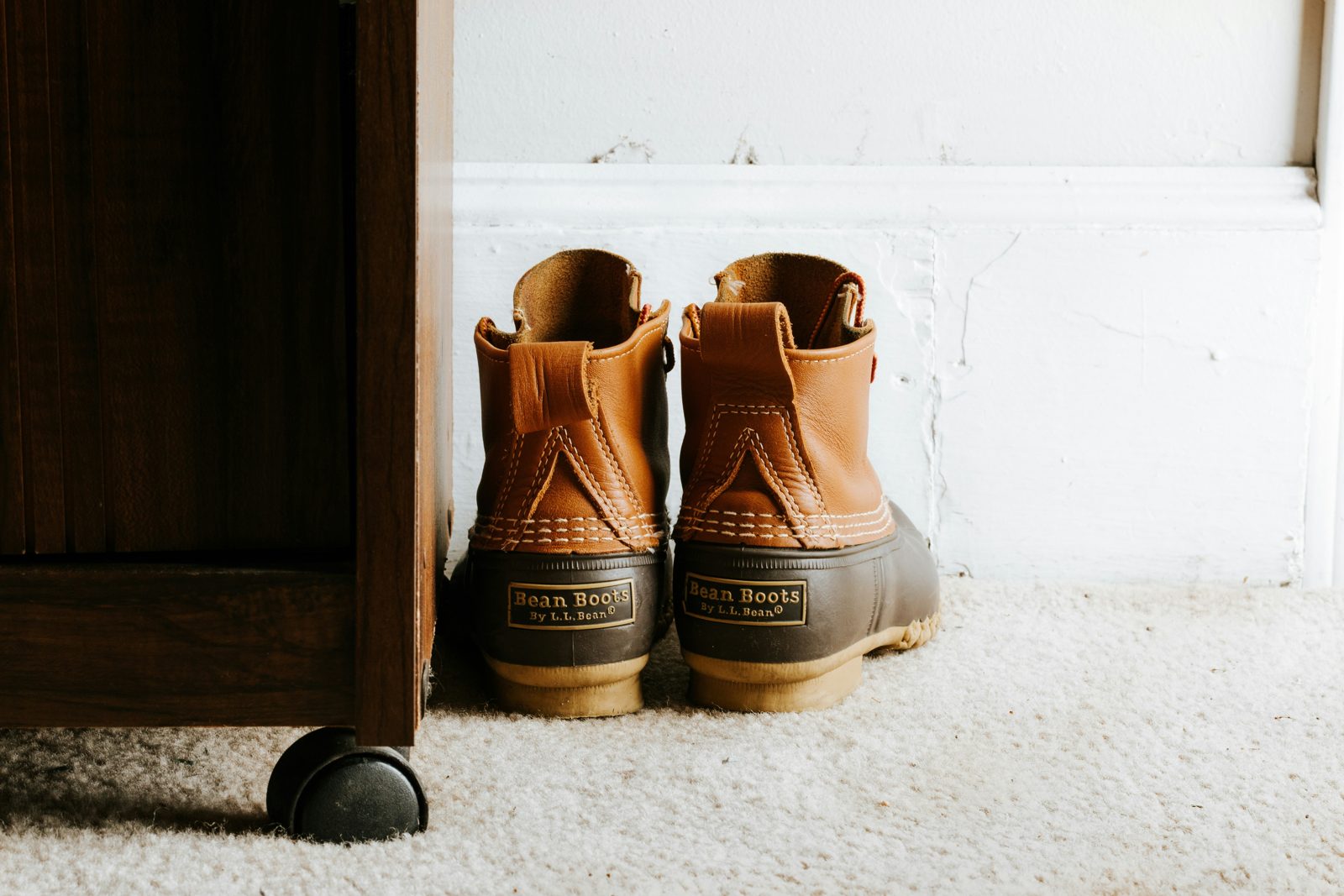
In 1912, Leon Leonwood Bean made 100 pairs of his new Maine Hunting Shoe, a leather boot with a rubber bottom. He sold them with a satisfaction guarantee. Ninety came back.
The rubber separated from the leather. Bean refunded the customers, borrowed money from family, and fixed the boot with triple-needle stitching, still the Bean Boot's signature today.
Here's the part I love: L.L.Bean still tells that story.
- The promise came first. Bean sold the boot with a guarantee, then had to honor it 90 times.
- They made it right. No excuses. They made the customer whole, fixed the problem, and made the product better.
- Then they kept telling the story. It's still on their website today.
Why this matters to you
I learned early in my career at Opryland that a promise to a customer or guest isn't just something you put in a marketing plan. It means working hard to delight the people who choose you, keeping your word, and making things better when you fall short. Even when it hurts. Especially when it hurts.
Your best story might not be your success story. Sometimes it's the moment when something went wrong and you chose to make it right. A customer you went out of your way to help. A promise you kept when it would have been easier not to. A lesson that changed how you do business.
That's what I like about the L.L.Bean story. The broken boot became proof of the promise: listen to the customer, fix what isn't working, and keep getting better.
Make a promise to your customers. Keep it. And when you fall short, own it and fix it.
Then tell that story.
Your website should tell people what you do. It should also tell them what they can expect from you. Your stories are real, and they're worth sharing.
Do you have a story to tell? If so, let me know. I would love to share it here.

Jason Schlosser is the founder of ji design. He’s spent his career building businesses in hospitality, where he fell in love with the combination of marketing, design, and the art of making people feel welcome.
That experience shapes how he thinks about websites today: they should feel welcoming, build trust, and make it easy for people to take the next step with your business.